

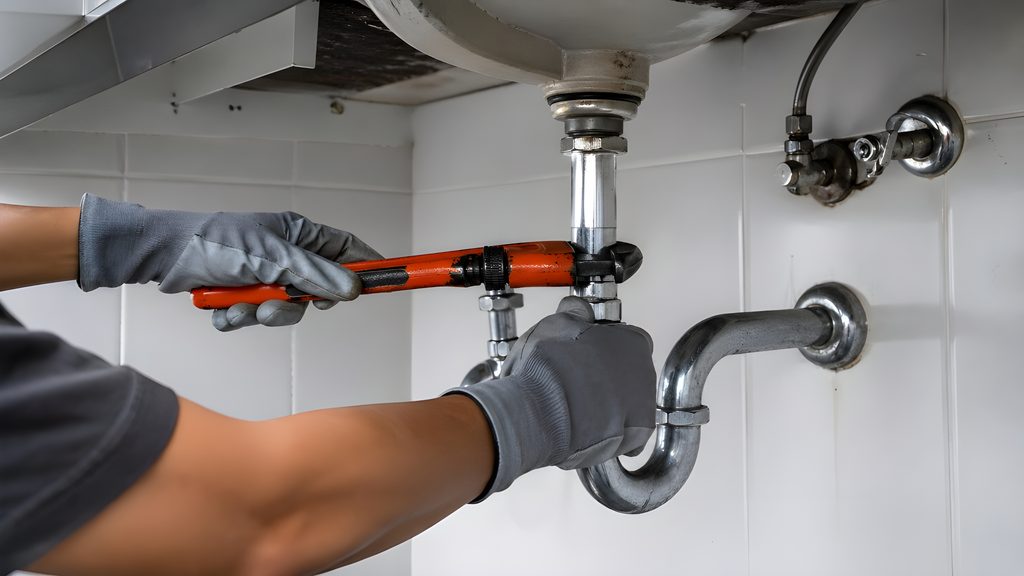
What Does a Remedial Plumber Do?
Remedial Plumbers play an important role in maintaining safe and compliant water systems across commercial and residential buildings. Their work focuses on fixing issues within water systems that have often been identified through routine monitoring, water hygiene inspections or Legionella risk assessments.
Although there is some crossover with general plumbing, Remedial Plumbers working within the water hygiene industry have a more specialised role. Their work can include removing deadlegs, replacing Thermostatic Mixing Valves (TMVs), carrying out tank cleans and remedials, completing small installation works and correcting problems with existing pipework.
They may also carry out water sampling and temperature monitoring, giving them a good understanding of both the practical plumbing side of a water system and the water hygiene requirements behind the work.
As businesses continue to focus on water safety and legionella compliance, Remedial Plumbers with both plumbing experience and water hygiene knowledge are increasingly valuable across the UK.
What Does a Remedial Plumber Do?
A Remedial Plumber carries out repairs and alterations to existing water systems, particularly where an issue has been identified that requires corrective work.
Depending on the employer, this could range from a straightforward TMV replacement to modifying pipework, removing deadlegs or carrying out remedial works on cold water storage tanks.
Much of the work is practical and site-based, meaning engineers need strong plumbing and fault-finding skills alongside an understanding of commercial water systems.
Remedial Plumbers often work alongside Water Hygiene Engineers, Legionella Risk Assessors and facilities teams to make sure identified issues are properly resolved.
Remedial Plumbing
Remedial plumbing covers a wide range of corrective work on existing water systems.
A legionella risk assessment or routine inspection may highlight problems with pipework, tanks, valves or outlets that require further work. It is then the Remedial Plumber’s job to carry out the necessary repairs or alterations.
This can include replacing components, altering sections of pipework and completing smaller installation works.
The role is therefore particularly suited to plumbers who enjoy fault finding and working across different sites rather than completing the same type of installation every day.
Removal of Deadlegs
Deadleg removal is one of the more common tasks carried out by Remedial Plumbers within the water hygiene industry.
Deadlegs are sections of pipework that have little or no regular water flow, often because an outlet has been removed while the original pipework has been left in place.
This can allow water to remain stagnant within the system, creating conditions that can encourage bacterial growth.
Remedial Plumbers remove this unnecessary pipework, helping to reduce areas of stagnation and improve the overall condition of the water system.
TMV Replacements
Thermostatic Mixing Valves (TMVs) are another area Remedial Plumbers regularly work with.
TMVs mix hot and cold water to provide water at a controlled temperature at an outlet. When a valve becomes faulty or is no longer performing as required, it may need to be repaired or replaced.
Depending on the position, Remedial Plumbers may be responsible for TMV replacements alongside servicing and testing.
Experience with TMVs is particularly useful when working across healthcare, hospitality, education and other large commercial sites.
Tank Cleans
Tank cleans are often included within remedial plumbing and water hygiene contracts.
Cold water storage tanks require regular inspection and maintenance to keep them in suitable condition. Where cleaning is required, engineers may drain, clean and disinfect the tank before returning it to service.
Remedial Plumbers may also identify issues with the tank, valves or surrounding pipework while completing the work.
This means tank cleans can often lead to additional remedial works being identified and completed.
Cold Water Storage Tank Remedials
Alongside tank cleans, Remedial Plumbers can carry out repairs and smaller replacements involving cold water storage tanks.
This may include correcting defects with the tank itself or carrying out work on associated valves and pipework.
Smaller tanks may also need to be replaced where repairs are no longer suitable.
Working with existing tanks requires good practical plumbing knowledge, as engineers may need to isolate and drain parts of the system before carrying out the work.
Small Installation Works
Not every remedial plumbing job involves a major repair.
Small installation works make up an important part of the role and can include replacing components, installing valves and making alterations to existing pipework.
These jobs are often completed following recommendations from an inspection or risk assessment.
Because Remedial Plumbers work with existing water systems, the ability to assess a problem and find a practical solution is an important part of the job.
Water Sampling and Temperature Monitoring
Some Remedial Plumber positions also include water sampling and temperature monitoring.
Temperature checks are carried out at designated points within a water system and can help identify issues with circulation or temperature control.
Engineers may also collect water samples for analysis where required.
These responsibilities give Remedial Plumbers a broader understanding of water hygiene and help them understand why particular remedial works are required rather than simply carrying out the plumbing task itself.
Where Do Remedial Plumbers Work?
Remedial Plumbers work across a wide range of industries where water systems need to be regularly maintained and monitored.
Typical sectors include:
Manufacturing
Food and beverage
Healthcare
Hospitality
Large residential developments
Pharmaceutical facilities
Commercial buildings
Facilities management
The role is usually field-based, with engineers travelling between different client sites to complete planned and reactive works.
Each site can bring different challenges, making it a varied role for plumbers looking to move into a more specialist area of the industry.
Qualifications and Skills
Many employers look for candidates with practical plumbing experience and a good understanding of commercial water systems.
A City & Guilds NVQ Level 2 in Plumbing is a useful qualification for the role, while knowledge of ACOP L8 and water safety standards can be particularly valuable when working within the water hygiene industry.
Employers may also look for experience with TMVs, cold water storage tanks, pipework alterations and fault finding.
For plumbers coming from a more general plumbing background, experience or training in water hygiene and legionella control can provide a good route into remedial work.
Salary Expectations
Remedial Plumber salaries vary depending on experience, qualifications and the level of water hygiene knowledge required.
Typical salaries include:
Junior Remedial/Maintenance Plumber: £26,000-£32,000
Intermediate Remedial/Maintenance Plumber: £32,000 to £38,000
Senior Remedial/Maintenance Plumber: £36,000 to £44,000
Engineers with strong plumbing experience alongside knowledge of water hygiene and legionella control can often access more senior positions within the industry.
Career Progression
Many Remedial Plumbers enter the industry with an existing plumbing background before building their knowledge of water hygiene and legionella control.
As their experience develops, engineers can take on more complex remedial works and progress into senior or supervisory positions.
Other career routes in the water sector can include Water Hygiene Engineer, Legionella Risk Assessor and Compliance Manager roles.
For Plumbers looking to specialise, remedial plumbing provides a route into the wider water hygiene industry while still allowing them to use and develop their practical plumbing skills..
To find out how to prepare for an interview, please click the link below
The STAR Interview Method – Fern Recruitment
For more information contact the office
0121 271 0988