

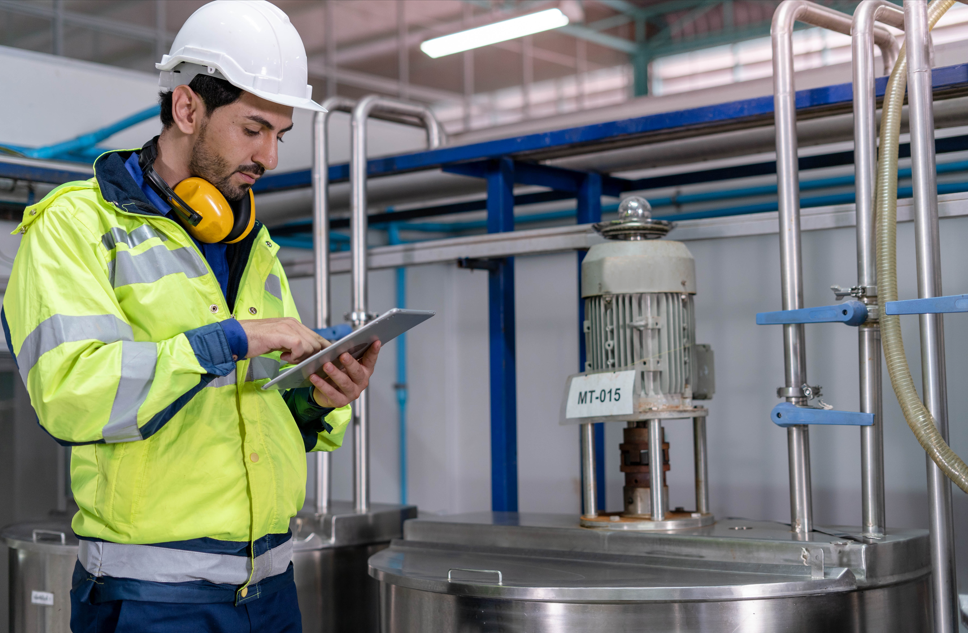
What Does a Water Hygiene Engineer Do?
If you’re considering a career in water hygiene or looking to recruit experienced engineers, it’s important to understand what the role actually involves. A Water Hygiene Engineer is responsible for inspecting, maintaining, and monitoring water systems to reduce the risk of contamination and helping organisations to comply with UK health and safety legislation.
Water Hygiene Engineers work across commercial, industrial, and public sector buildings, carrying out planned maintenance and remedial work on hot and cold-water systems. Their work helps control the risk of Legionella bacteria, improves water quality and ensures water systems remain safe for building occupants.
Demand for experienced Water Hygiene Engineers has increased steadily over the last decade as employers place greater emphasis on compliance with ACOP L8, HSG274 Parts 1, 2 and 3, and the Health and Safety at Work Act 1974.
What is a Water Hygiene Engineer?
A Water Hygiene Engineer is responsible for monitoring the condition of water systems and carrying out maintenance that helps prevent bacterial growth. The role combines practical engineering with compliance and requires a good understanding of how commercial, industrial, and domestic water systems operate.
Typical systems include:
- Hot and cold domestic water services
- Cold Water Storage Tanks (CWST)
- Calorifiers
- Thermostatic Mixer Valves (TMVs)
- Cooling towers
- Closed heating systems
- Booster sets
- Pipework and associated plumbing systems
The role is often confused with that of a Water Treatment Engineer. While there is some overlap, Water Hygiene Engineers generally focus on monitoring, inspections, cleaning, disinfection and compliance. Water Treatment Engineers are more likely to specialise in chemical dosing, closed system analysis and treatment programmes.
Water Sampling
One of the core responsibilities of a Water Hygiene Engineer is water sampling.
Samples are collected from outlets and storage systems before being sent to an accredited laboratory for analysis. Testing may include Legionella, Total Viable Count (TVC) and other microbiological or chemical parameters depending on the type of system.
Regular sampling provides evidence that water systems are operating correctly and allows developing problems to be identified before they become compliance issues.
Temperature Monitoring
Routine temperature monitoring forms part of every Legionella control programme.
Engineers measure hot and cold water temperatures throughout a building to confirm that water remains outside the temperature range where legionella bacteria are most likely to multiply.
Unexpected results may indicate issues with circulation, insulation, blending valves or system design.
TMV Inspection and Servicing
Thermostatic Mixer Valves protect users from scalding by blending hot and cold water to a safe outlet temperature.
Because TMVs contain moving parts and regularly mix warm water, they require periodic servicing to maintain performance and hygiene.
A Water Hygiene Engineer will inspect the valve, clean internal components, test the outlet temperature and replace worn parts where necessary.
Cleaning and Disinfection
Water systems require routine cleaning to remove sediment, sWater systems require routine cleaning to remove sediment, scale and biofilm that can encourage bacterial growth.
Depending on the system, this may include cleaning:
- Cold Water Storage Tanks
- Shower heads
- Flexible hoses
- Calorifiers
- Pipework
Following cleaning, systems may be disinfected using chlorination before being returned to service.
Cold Water Storage Tank Inspections
CWST inspections form an important part of routine maintenance.
Engineers check for signs of contamination, damaged insulation, poor-fitting lids, corrosion and sediment build-up.
Where defects are found, recommendations are made for cleaning, repair or replacement.
Remedial Plumbing
Many Water Hygiene Engineers also carry out minor plumbing works.
This may include removing dead legs, replacing flexible hoses, installing new TMVs or carrying out small pipework alterations that improve water hygiene and reduce Legionella risk.
Where Do Water Hygiene Engineers Work?
Water Hygiene Engineers work in almost every sector where large water systems are found.
Common workplaces include:
- Hospitals
- Care homes
- Schools
- Universities
- Hotels
- Manufacturing plants
- Food and beverage facilities
- Pharmaceutical sites
- Housing associations
- Commercial office buildings
Each environment has different operational requirements, although the objective remains the same. Water systems must remain safe, clean and compliant.
Qualifications and Skills
Many employers look for practical experience alongside recognised qualifications.
Common qualifications include City & Guilds Plumbing, ACOP L8 awareness training and Legionella-related certifications.
Successful engineers also need a good understanding of water systems, attention to detail and the ability to produce accurate service reports.
Salary Expectations
Salaries vary depending on experience and location.
Senior Engineers with wider technical knowledge can earn £30,000 to £40,000 or more.
Junior Water Hygiene Engineers typically earn between £23,000 and £26,000.
Engineers with several years’ experience often earn £25,000 to £32,000.
Career Progression
Many engineers move into specialist roles as their experience develops. Training can be from external sources such as the Water Management Society (WMS), City and Guilds or through an internal trainer within the business.
Career progression may include Water Treatment Engineer, Legionella Risk Assessor, Site Supervisor or Contract/Operations Manager.
As organisations continue to invest in water safety and compliance, experienced Water Hygiene Engineers remain in strong demand across the UK.
To find out how to prepare for an interview, please click the link below
The STAR Interview Method – Fern Recruitment
For more information contact the office
0121 271 0988